

Many thanks for showing an interest in the range of AHD Ergonomic Furniture during our recent campaign. I should like to introduce myself.
During the immediate post war years, as a child, I enjoyed my fathers‘ workshop and liked to make and develop things. The brake lights on my bike, flashing hazard an lights and modifications that led to me considering the spinning disc that today is used in many modern applications.
Keen to make contact with people in the industry, I made a Meccano model to demonstrate my latest idea and sent it off to Dr John Weaving, a friend of my parents and very senior player within Austin, the motor manufacturer.

He wrote back to thank me for my model and asked me to be sure to call him, when I was older.
I remember passing him on my way to school one morning as he was driving to work and him telling me “if you drive your fathers car like you ride that bicycle then you won’t live very long! Slow down!”
A few years later, I left school and attended Birmingham College of Art where I studied industrial design. I made contact with Dr Weaving and managed to secure a summer work placement, working alongside were the designers of the Mini who were actually using a clay and wood life size model to create their future Icon. Life size drawings adorned the walls and I met many brilliant engineers.
Dr John Weaving, or John as I came to know him now, was one of the leading designers of engines at the time. He went on to design a gas turbine that made it through to production stages with installation into the Austin Princess. Sir Leonard Lord, Austin Chairman was so grateful that he rewarded John handsomely.


Some years later, Dr Weaving presided over my wedding and one of my fondest memories is of him reading a list of greetings from people who couldn’t attend and one of them was the great racing driver Raymond Mays (click to find out more) sending his love and best wishes to us both!. The reaction of the congregation made me so proud and at this point, I knew I’d finally gained recognition from the leading industry players and I was now in a position to take advantage of the capital that was available to develop innovation in the industry at that time.
After Birmingham, I attended the Royal College of Art and achieved a first in Industrial Design. A major part of my work became a radically new system for suspension on motorcycles . which I discussed with John Surtees, who was developing a motorbike for his younger brother, Norman. My bike used a Watts linkage, instead of telescopic forks, quicker to adjust and set up. This was perfect for example, for the ever changing terrain of the Isle of Man course.
After working on major design projects with Ford, my first employer and gaining further experience with the automotive sector, I realised that ergonomics could really make a difference to the drivers control and comfort. At around about the time that the E-Type Jaguar was being introduced, and Ford were working on the on the GT40 – a racing car to compete with Ferrari. My area of focus was the improvement of instrument clusters and driver comfort. I had developed a particularly strong interest in small cars. I witnessed a huge market developing for invalid cars as they were known and I began to specialise in small car design myself and dreamt of one day launching my own.
That dream came true with the launch of TICI – A tiny car 6 feet long, 4 of which that could be parked nose in to a a normal London parking space. The pedals moved as opposed to the seat to allow the user a struggle free entry and finally, I began to feel like I had designed a solution that had been long overdue. Without the support from the Owen group, who had purchased BRM, this would not have been possible.

After having resigned from Ford, I was employed by Hawker Sidley Electric Brush Locomotives (BRUSH) as their industrial designer. One of my projects was the interior design of the cab of Kestrel, their new locomotive. At the time Kestrel was the most powerful diesel electric locomotive with a 4000 hp Diesel Electric Engine. As I looked at the existing layout of the driver cab, I knew that I could achieve so much more and began work on the layout and ergonomics of the driver environment. I replaced clocks, stood controls up proud and lay other flush to their mounting and improved the comfort of the driver also improving the vision and response times etc to the controls.

A transport lecturer from Kingston upon Thames became aware of the work that I had completed with Kestrel and contacted me In Loughborough to ask if there were any other types of automotive transport that would benefit from a similary improved driver environment, where the ability to concentrate was paramount. In order to do this, the driving comfort must be considered alongside the ease of operation and accessibility of vital controls. I immediately responded that Racing Cars were the prime example.
My relationship with Raymonds Mays was established and I was introduced to Sir Alfred Owen.
Ray introduced me to Sir Alfred Owen click HERE to view more about Alfred Owen
I remember driving to Milan in my TICI to see a friend and enjoyed having overtaken several powerful BMWs as I made my way over snowbound mountain passes.
As time progressed, having resigned from Brush. I began lecturing students of Industrial Design, at the Loughborough College of Art and Design, this gave me more time to focus on my own projects.
Director of the Local Education Authority Andrew Fairbairn used to visit our college regularly and he noticed my TICI parked outside.
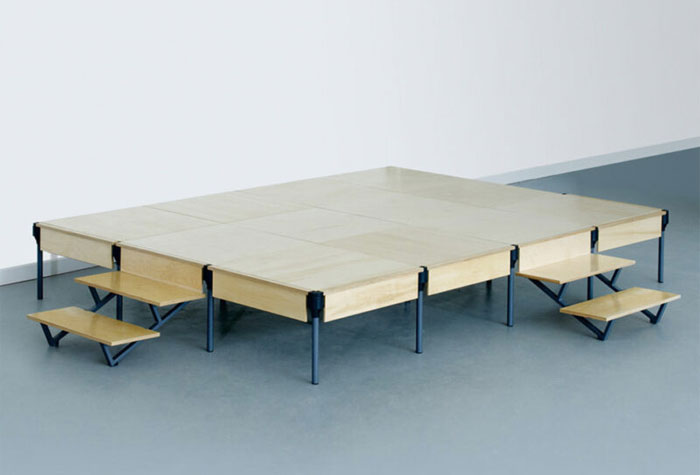
Andrew Fairbairn placed great importance on the inclusion of arts and crafts in student development. He established a dance troupe that toured Europe during the summer holidays. They had been hiring a stage system from a local company that presented huge logistical problems and expense when transporting it from venue to venue. Andrew asked the Principal if my department could design and produce a stage suitable for anything between 2 and 500 performers that could be driven in a vehicle that could be driven by a member of his staff. The requirement was a stage that could be assembled by 2 people, and weighed no more than two tons.
Andrew suggested that it would be helful, if I could work on the project at Beaumanor hall, where I was given the use of a huge workshop and display area where the stage could be developed, constructed and displayed.
I used aluminium extrusions that were common in the HGV market to create our modular panels and designed other components to create interlocking panels to keep everything in place.

In order to demonstrate the strength and versatility of the modular stage that we had built, I had my Saab 99 Turbo and Mini Cooper lifted onto to the stage.
Andrew invited the local head of the Calouste Foundation (Click here for more information) to view the finished project. He was suitably impressed. I agreed to produce the stage on the basis that that if the project wasn’t a success, I wouldn’t ask for payment, if it was, then I would. Going forward the county would receive 20% of future orders. Finance was then made available to put the modular stage into production.
As time progressed, the project was monetised by Andrew and the LEA as he introduced the system to many of his National contacts who subsequently went on to place orders for their own institutions.
One of the early orders was from the Student Union at Loughborough University for their new entertainment venue. The NEC in Birmingham had a very similar requirement and I invited them to come and see the completed project. I became one of 6 companys invited to tender. Upon being awarded the contract, I was told “This was by far the most expensive quote we received, but was chosen because the due diligence engineer appointed said that it was “Upmarket and Simply The Best”
Most Expensive but simply the best
Anthony Hill Designs Anthonyhilldesigns.com
We are a business devoted to providing an understanding of issues related to education and the workplace, developing solutions to benefit both people and business.
Considerations affecting wellbeing and posture:
Click the images below for more information




The worlds smallest car as featured on "Record Breakers"


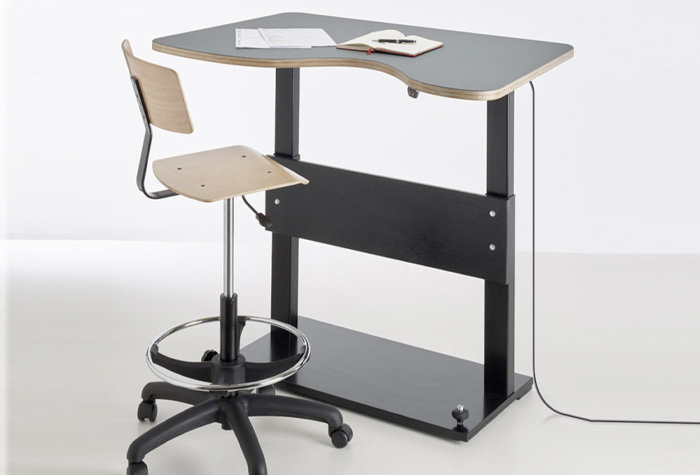
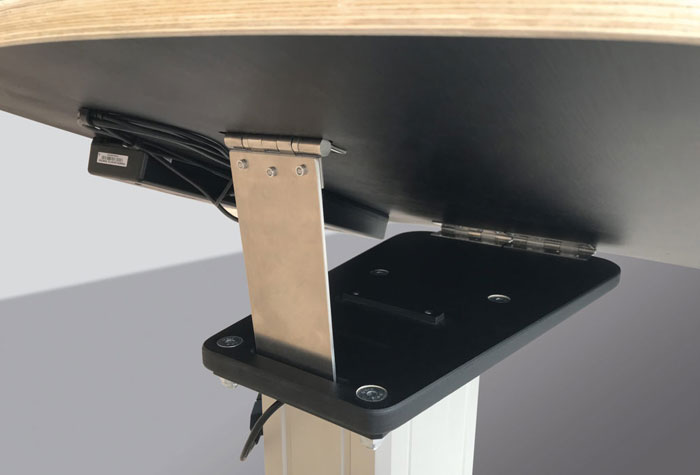
Ergonomic furniture at its best
In order to demonstrate the strength and versatility of the modular stage that we had built, I had my Saab 99 Turbo and Mini Cooper lifted onto to the stage.

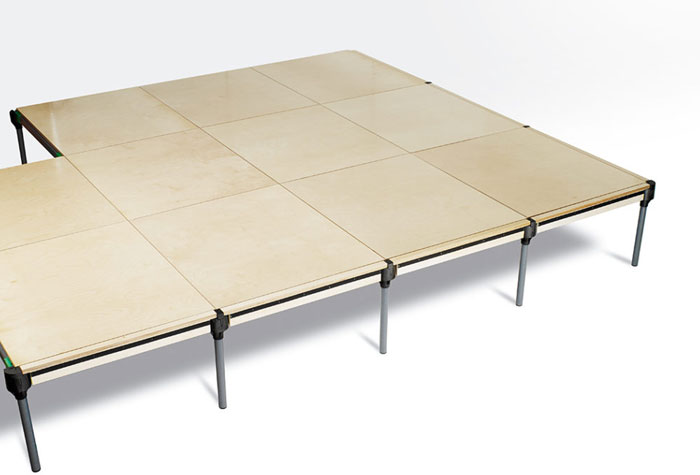
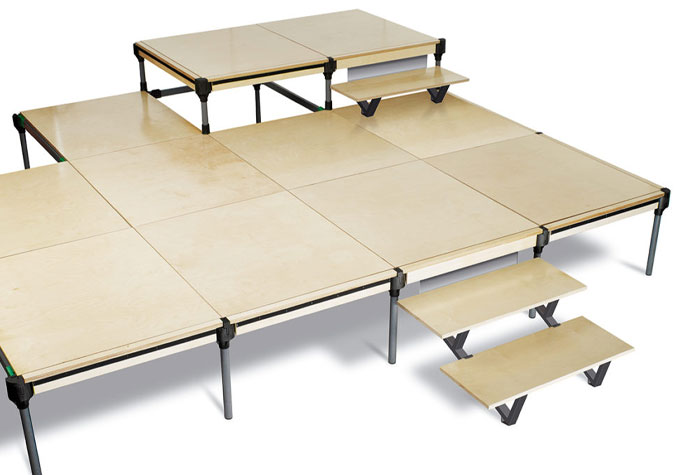
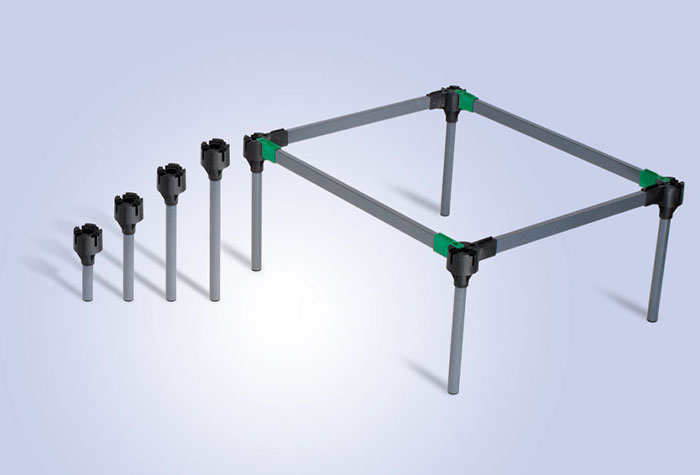
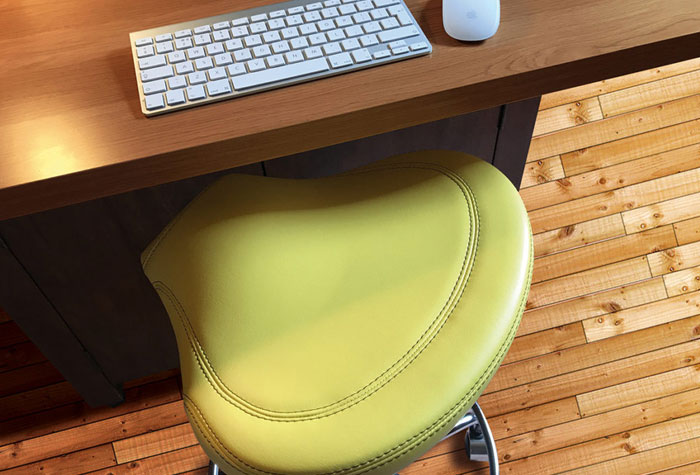
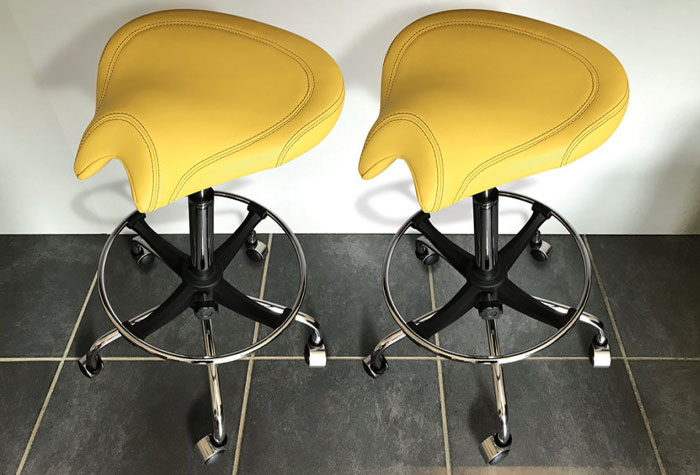
Available in many different colours and finishes

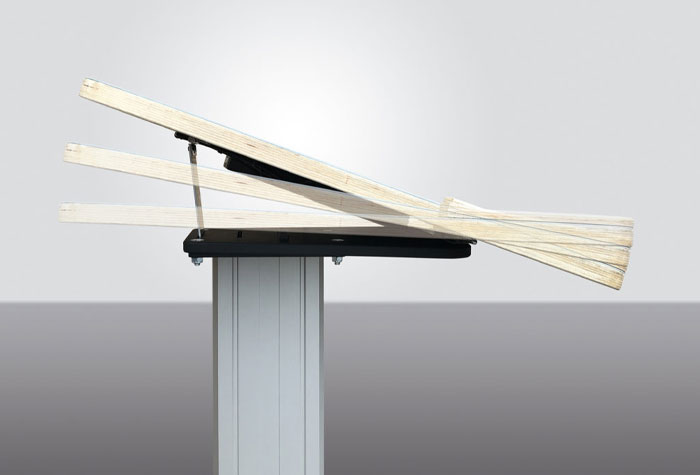
The single hydraulic lift can rise it high enough to be used as a standing desk / lecturn

For more information about myself or about any of my products simply fill in the form below.